Type your paragraph here
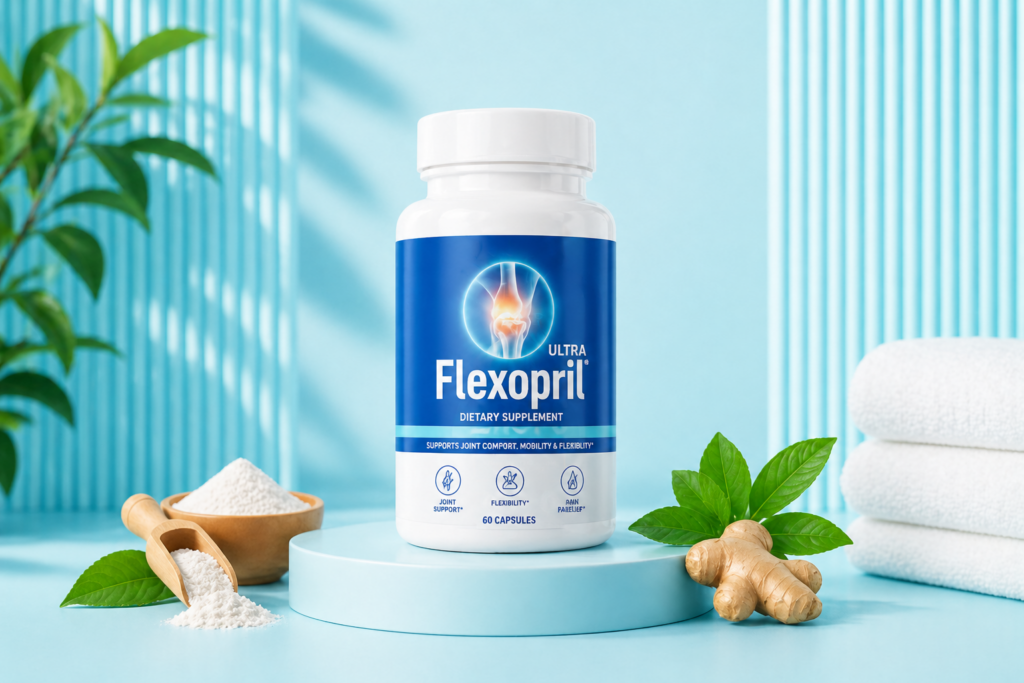
Flexopril Review – Can This Joint Support Supplement Really Deliver Relief?
- Fact Checked
- Medically Reviewed By
- Manish Tripathi
For a long time, joint discomfort had become one of those quiet frustrations that slowly started affecting everything. It was not just the occasional stiffness—it was the daily ache in my knees, the tightness in my lower back, and the way simple movements started feeling heavier than they should. Getting up in the morning felt slower, climbing stairs became more annoying than it used to be, and even sitting too long made everything feel stiff again. It was not unbearable, but it was constant enough to wear on me.
What made it more frustrating was how much it chipped away at normal routines. I was moving less, avoiding longer walks, and becoming more aware of every little ache throughout the day. I tried the usual options—stretching more, collagen powders, joint creams, turmeric capsules, and a few over-the-counter pain solutions. Some helped briefly, but most either felt too temporary or only masked the discomfort without improving how my joints actually felt.
That’s what led me to Flexopril. I came across it while looking into natural joint support supplements designed to help with mobility, stiffness, and long-term comfort more realistically. What caught my attention was that Flexopril seemed focused on joint flexibility, inflammation support, and daily mobility rather than just temporary pain relief. After enough trial and error, it felt like one of the few options worth taking seriously.
Table of Contents
What Is Flexopril?
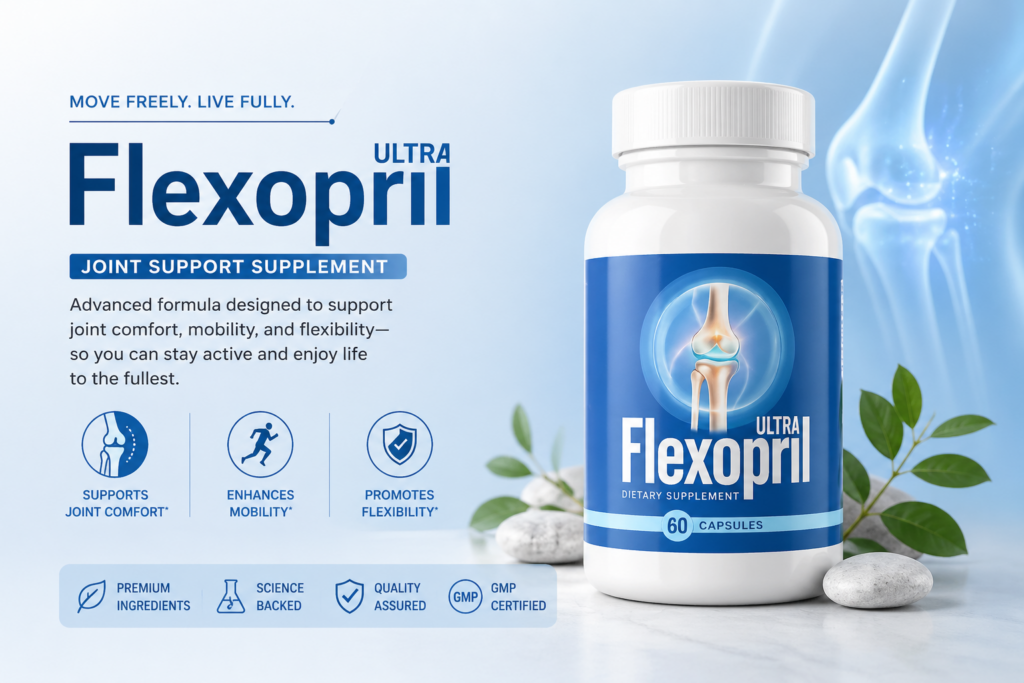
Flexopril is a dietary supplement formulated to support joint comfort, flexibility, mobility, and long-term joint health. It is designed for adults who struggle with stiffness, reduced mobility, joint discomfort, inflammation-related soreness, and the frustrating feeling that everyday movement has become less comfortable than it used to be. Rather than acting like a quick pain reliever, Flexopril is positioned as a daily joint support formula intended to help improve how the joints feel and function over time.
The formula is often associated with Dr. Ethan Collins, a wellness researcher known for his work in mobility support and natural inflammation balance. Flexopril was developed around the idea that joint discomfort is often tied to more than just aging—it is also influenced by inflammation, tissue stress, mobility loss, and how well the body supports joint repair and flexibility. Because of that, the formula was designed to support not just temporary comfort, but broader joint resilience.
What makes Flexopril different from many generic joint supplements is its more balanced and sustainable approach. Instead of relying only on temporary pain-masking ingredients, Flexopril uses a blend of plant-based extracts, joint-support compounds, and mobility-focused nutrients selected to support flexibility, joint comfort, and inflammation balance more naturally. This gives it a more practical long-term approach compared to products focused only on short-term relief.
Another reason Flexopril stands out is its science-informed formulation. The ingredients are selected based on their connection to mobility, joint comfort, tissue support, and inflammation balance. That gives the formula a more credible foundation than many overhyped joint products built around exaggerated claims.
Overall, Flexopril is designed as a natural daily supplement for people looking to support joint comfort, improve flexibility, reduce stiffness, and maintain better long-term mobility and movement.
How Does Flexopril Work?
Flexopril works by supporting several of the deeper systems that influence joint comfort, mobility, flexibility, and long-term movement. Instead of only trying to temporarily dull discomfort, Flexopril is designed to support the root systems involved in how the joints move, recover, and stay comfortable over time.
In simple terms, Flexopril works by helping the body function better in the areas that directly affect joint movement and stiffness. Joint discomfort is rarely caused by just one issue. It is often connected to inflammation, tissue stress, reduced flexibility, poor recovery, and how well the body supports cartilage and connective tissue over time. Flexopril is formulated to help support those systems more naturally and consistently.
One of the main ways Flexopril works is by supporting inflammation balance. When inflammation stays elevated, joints often feel stiffer, tighter, and more sensitive during daily movement. Flexopril is designed to help support a healthier inflammatory response, which may help improve comfort and reduce everyday stiffness.
Flexopril also supports flexibility and joint mobility. Some of its ingredients are included to help support connective tissue, joint lubrication, and smoother movement, which may help make daily activity feel less restricted.
Another important part of the formula is recovery and tissue support. Rather than relying on temporary pain suppression, Flexopril aims to support better mobility, joint resilience, and long-term comfort with steady use.
As a result, the main benefits may include improved flexibility, reduced stiffness, better mobility, less joint discomfort, smoother daily movement, and more consistent long-term joint support with regular use.
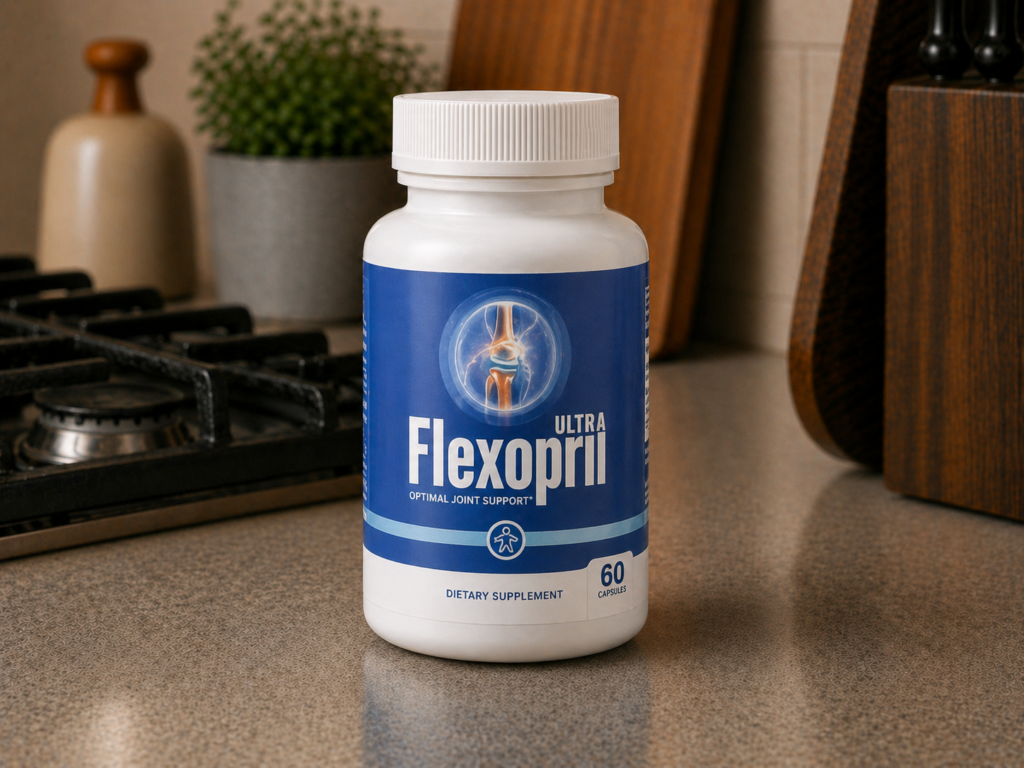
My Experience Using Flexopril for 3 Months
Week 1–2 >> Initial Impressions
When I started using Flexopril, I kept my expectations realistic. I had already tried enough joint supplements to know most either feel too subtle to notice or only offer temporary relief. During the first two weeks, the first thing I noticed was that my joints felt a little less stiff in the morning. It was not dramatic, but getting out of bed and moving around felt slightly easier. I also noticed less tightness after sitting for long periods, which made a bigger difference than I expected in day-to-day comfort.
Week 3–4 (Early Results)
By the third and fourth week, the changes started feeling more practical. My knees felt less tight when using stairs, and that dull stiffness in my lower back was not as noticeable by the afternoon. I still felt normal wear and tear, but movement felt smoother and less frustrating. It was not a dramatic change, but everyday movement felt less restricted and less mentally draining.
Month 2 (Visible Improvements)
By the second month, the benefits felt much more consistent. The biggest difference was flexibility. I felt less stiff in the morning, less tight after sitting, and more comfortable moving throughout the day. Even longer walks felt easier, and I was thinking less about every little ache. That alone made daily life feel more normal again.
Month 3 (Final Transformation)
By the third month, Flexopril felt less like a “joint supplement” and more like something that helped movement feel easier again. The biggest difference was not pain elimination—it was comfort and flexibility. My joints felt less stiff, movement felt smoother, and I was thinking less about discomfort throughout the day. That steady improvement was what made Flexopril feel genuinely worthwhile.
Side Effects That I Got…
Overall, Flexopril was easy to tolerate, and I did not notice anything harsh while using it. That was one of the first things I paid attention to because joint supplements can sometimes feel heavy on digestion or cause mild stomach discomfort if the formula is too dense. Fortunately, Flexopril felt much gentler than I expected.
The only minor thing I noticed during the first few days was a slight digestive heaviness when I took it without enough water. It was not uncomfortable, just noticeable enough to make me start taking it with a meal and a full glass of water, which helped quickly.
I also noticed a mild herbal aftertaste at first. It was not unpleasant, just slightly noticeable during the first few uses. After a few days, I barely paid attention to it.
Other than that, I did not experience headaches, jitters, or anything intense. Overall, Flexopril felt mild, manageable, and easy to stick with once my body adjusted to it.
My Ratings Based on 5 Paramters
After using Flexopril Juice for 3 months, I evaluated it based on what actually matters in real life, not just marketing claims. Here are the 5 key parameters that truly define its performance, along with my honest ratings.
1. Effectiveness –  ☆ (4.5/5)
Flexopril delivered noticeable improvements in joint stiffness, flexibility, daily mobility, and overall comfort. The results felt gradual but practical, making movement feel easier and less restricted over time.
2. Safety – (5/5)
Flexopril felt gentle and easy to tolerate. Aside from mild digestive heaviness and a slight herbal aftertaste during the first few days, no major side effects stood out.
3. Value For Money – (5/5)
Flexopril is priced like a premium joint support supplement, but the steady support for flexibility, comfort, and daily mobility made it feel reasonably worthwhile for long-term use.
4. Customer Reviews – ☆ (4/5)
Customer feedback is generally positive, with many users mentioning reduced stiffness, smoother movement, better flexibility, and more comfortable daily mobility.
5. Overall Result – (4.5/5)
Flexopril performed well as a gradual joint support supplement. It stood out more for improving daily mobility, flexibility, and movement comfort than for dramatic short-term relief.
My Detailed Personal Review of Flexopril
Before I started using Flexopril, what frustrated me most was not just joint discomfort—it was how much it quietly changed the way I moved through the day. I was becoming more aware of every stiff step, every tight knee, every small ache after sitting too long. It was not severe enough to stop me, but it was constant enough to make movement feel heavier than it should have.
That was the part that wore on me most. It was not just physical discomfort—it was the slow mental frustration of always thinking about how my body felt. I found myself hesitating before stairs, avoiding longer walks, and mentally calculating how stiff I would feel later if I sat too long. That kind of low-grade discomfort becomes exhausting in ways that are hard to explain unless you live with it every day.
That was my mindset going into Flexopril—skeptical, uncomfortable, and honestly expecting very little.
The first few weeks were subtle, but enough to make me pay attention. I noticed mornings felt easier. I was not moving as stiffly when I first got up. I noticed less tightness after sitting too long. Those are small things, but when discomfort has become part of your routine, small relief feels bigger than it sounds.
As the weeks went on, the biggest shift was how much less I thought about my joints. That was the real difference. Movement felt smoother. I was not bracing as much. I was not mentally preparing for discomfort every time I stood up. Even socially, I felt more relaxed because I was less distracted by physical stiffness.
What surprised me most was how much that affected confidence. I felt more willing to move, less cautious, less aware of every small ache. It was not dramatic—it was relief. And after months of constant stiffness, that quiet relief felt more meaningful than I expected.
By the third month, Flexopril did not feel dramatic—and that was exactly why I trusted it. It did not mask discomfort. It just made movement feel easier again. And honestly, that steady relief felt far more valuable than hype ever could.
| ✅ Pros | ❌ Cons |
|---|---|
| ✔️Helped reduce daily joint stiffness | ✖️ Results were gradual, not instant |
| ✔️Improved flexibility and movement comfort | ✖️ Mild herbal aftertaste at first |
| ✔️ Made mornings feel easier physically | |
| ✔️ Supported smoother mobility throughout the day | |
| ✔️ Reduced tightness after sitting too long | |
| ✔️ Felt gentle and easy to use daily |
Why Did I Buy Flexopril?
I decided to buy Flexopril after getting tired of how often stiffness and joint discomfort were quietly interfering with everyday movement. The issue was not extreme pain—it was the daily frustration of tight knees, stiff mornings, reduced flexibility, and constantly noticing discomfort during simple routines. That was what pushed me to start looking for something more supportive.
My hesitation came from the fact that most joint supplements feel repetitive. They usually promise “joint comfort” or “mobility support” but rarely feel different in real life. Before buying Flexopril, I spent time reading reviews, comparing ingredients, and trying to understand whether it actually offered something more practical than the usual temporary relief formulas.
What stood out was that Flexopril seemed more focused on long-term flexibility, stiffness support, and mobility than quick pain masking. That felt much more realistic. The reviews also felt more believable than most. People were not describing instant relief—they were talking about smoother movement, less stiffness, and feeling more comfortable throughout the day.
Another reason I felt more comfortable trying it was the trust factor. The formula looked more balanced than most alternatives, the overall presentation felt more credible, and the money-back guarantee lowered the risk.
In the end, I bought Flexopril because it felt like one of the more practical and credible long-term joint support options available.
How to Use Flexopril for Maximum Results
To get the best results from Flexopril, I found that consistency mattered more than anything else. Flexopril worked best when used daily as part of a regular routine rather than occasionally. It is designed to support joint comfort, flexibility, and mobility gradually, so steady use made the biggest difference.
The recommended dosage is the serving listed on the product label, and I found it best to follow that exactly rather than trying to take more for faster results. In my experience, taking Flexopril once daily with a meal made it easier to stay consistent and easier to notice gradual improvements in comfort and flexibility.
Hydration also made a noticeable difference. Drinking enough water made the formula easier to tolerate and seemed to support better daily comfort overall.
The biggest tip is to give it enough time. Flexopril worked best when I treated it like long-term mobility support rather than expecting instant relief.
For maximum results, the best approach is simple: follow the recommended dosage, stay hydrated, take it consistently, use it daily, and give it enough time to support better joint comfort and mobility.
FAQ's
What is Flexopril?
Flexopril is a dietary supplement designed to support joint comfort, flexibility, mobility, and long-term joint health.
How does Flexopril work?
Flexopril works by supporting inflammation balance, flexibility, joint mobility, and long-term movement comfort.
What are the main benefits of Flexopril?
Flexopril is commonly used to support reduced stiffness, better flexibility, smoother movement, and improved joint comfort.
How long does Flexopril take to work?
Results can vary, but many users report noticeable improvements in stiffness and mobility within a few weeks of consistent daily use.
How should I take Flexopril?
Take Flexopril exactly as directed on the product label, usually once daily as recommended.
Can I take Flexopril every day?
Yes, Flexopril is generally intended for daily use, and consistent use is usually recommended for best results.
Does Flexopril help with stiffness?
Many users take Flexopril specifically to help support flexibility and reduce daily stiffness.
Are there any side effects with Flexopril?
Most users tolerate Flexopril well, though some may notice mild digestive heaviness or a slight herbal aftertaste during the first few days.
Is Flexopril safe?
Flexopril is generally considered safe when used as directed, but anyone with medical conditions or taking medication should consult a healthcare professional first.
Is there a money-back guarantee for Flexopril?
Many users consider Flexopril lower-risk because of its refund policy, though it is best to check the official seller for the most current guarantee details.

John Doe
A health-focused affiliate marketer and wellness researcher with over a decade of experience, specializing in reviewing dietary supplements and evaluating their real-world effectiveness. With a strong foundation in organic search, consumer behavior, and ingredient research, the focus is always on delivering honest, practical insights rather than hype. With a personal interest in mobility support, joint comfort, and natural inflammation balance, each review reflects both research and real-life perspective. When evaluating products like Flexopril, the priority is to assess practical daily usability, ingredient quality, long-term joint support value, and overall results—helping readers make informed and confident decisions.