Type your paragraph here
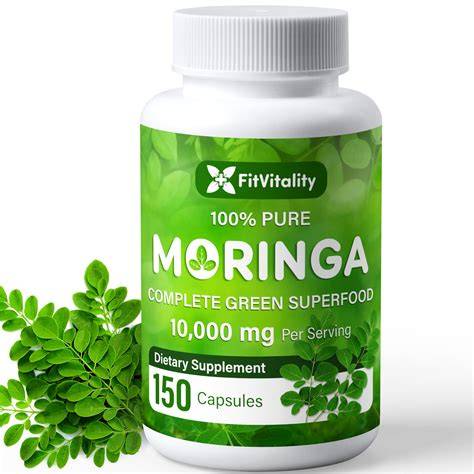
Moringa Review: My 3-Month Personal Journey, Benefits, and Honest Results
- Fact Checked
- Medically Reviewed By
- Priyam Raj
For years, I honestly felt like my body was slowly shutting down on me. I don’t mean in a dramatic way, but in that subtle, frustrating way where you wake up tired, feel low on energy by noon, and struggle to stay focused even on simple tasks. My immunity was weak, I kept falling sick often, and my digestion was unpredictable.
I tried everything I could find—multivitamins, protein powders, herbal teas, and even some expensive energy boosters. Some worked for a few days, but nothing gave me long-term balance or real internal health improvement. It felt like I was just chasing temporary fixes.
What frustrated me most was that I was trying hard—eating better, walking daily, even reducing junk food—but still not feeling healthy.
At one point, I started thinking maybe this is just how my body is now.
That’s when I came across Moringa during one of my late-night research sessions. At first, I ignored it because it sounded too simple—just a plant supplement. But the more I read, the more I realized I might have overlooked something powerful all along.
That curiosity turned into a 3-month personal experiment with Moringa, and what happened next genuinely surprised me.
Table of Contents
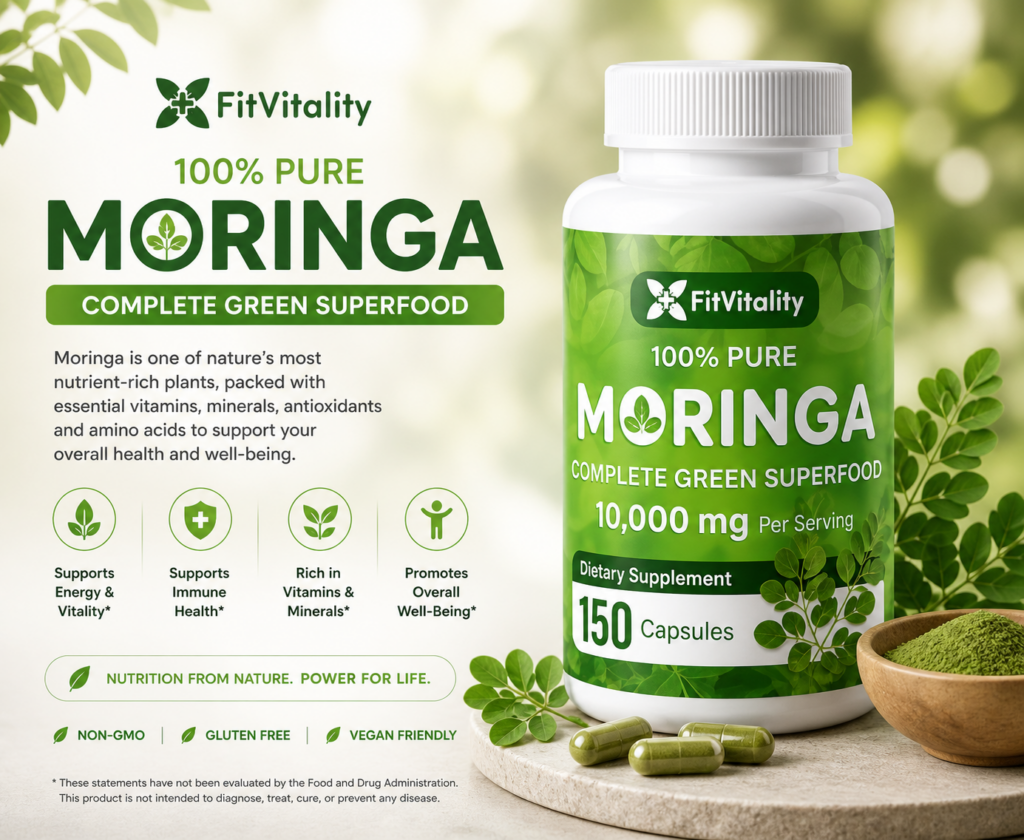
What is Moringa?
Moringa is a natural plant-based supplement made from the leaves of the Moringa oleifera tree, often called the “Miracle Tree” due to its dense nutritional profile. It has been used for centuries in traditional wellness systems like Ayurveda for supporting overall health, energy, and immunity.
Unlike synthetic supplements, Moringa is 100% plant-derived, meaning it contains natural vitamins, minerals, antioxidants, and amino acids in their original bioavailable form.
It is often associated with supporting:
- Immune system strength
- Energy levels and stamina
- Digestive balance
- Inflammation reduction
- General daily wellness
While there is no single inventor of Moringa, modern formulations are typically developed by nutritional scientists and herbal experts who standardize the extract for better absorption and safety.
What makes Moringa different from regular supplements is its nutrient density. It contains:
- Vitamin A, C, and E
- Calcium and potassium
- Iron and magnesium
- Natural antioxidants like quercetin and chlorogenic acid
Many people call it a natural superfood supplement, not because of marketing hype, but because of its real-world nutritional profile.
Another key reason behind its popularity is that it is gentle on the body, unlike strong stimulants or synthetic energy boosters. It works slowly but steadily, helping the body rebuild internal balance.
In simple terms, Moringa is not a quick fix—it is a long-term nutritional support system that helps your body function better from within.
How Does Moringa Work?
To understand how Moringa works, I had to stop thinking of it like a typical supplement and start thinking of it like daily nourishment therapy.
Most health problems—low energy, weak immunity, brain fog—don’t come from a single issue. They come from nutritional gaps, inflammation, and stress overload inside the body.
Moringa works by filling those gaps naturally.
It provides a wide spectrum of nutrients that your body uses for:
- Cell repair
- Energy production
- Immune defense
- Hormonal balance
One of the biggest reasons people feel tired or sick often is due to oxidative stress, which damages cells over time. The antioxidants in Moringa help neutralize these free radicals, reducing internal damage.
It also supports metabolism regulation, which means your body becomes more efficient in converting food into energy instead of storing it as fatigue.
From my understanding, the biggest strength of Moringa is its root-cause approach. Instead of forcing your body (like caffeine does), it nourishes it so systems naturally start working better.
Key functional benefits include:
- Supporting immune system response
- Improving gut health and digestion
- Enhancing mental clarity and focus
- Reducing fatigue and inflammation
Over time, consistent use helps the body reach a more balanced internal state
.
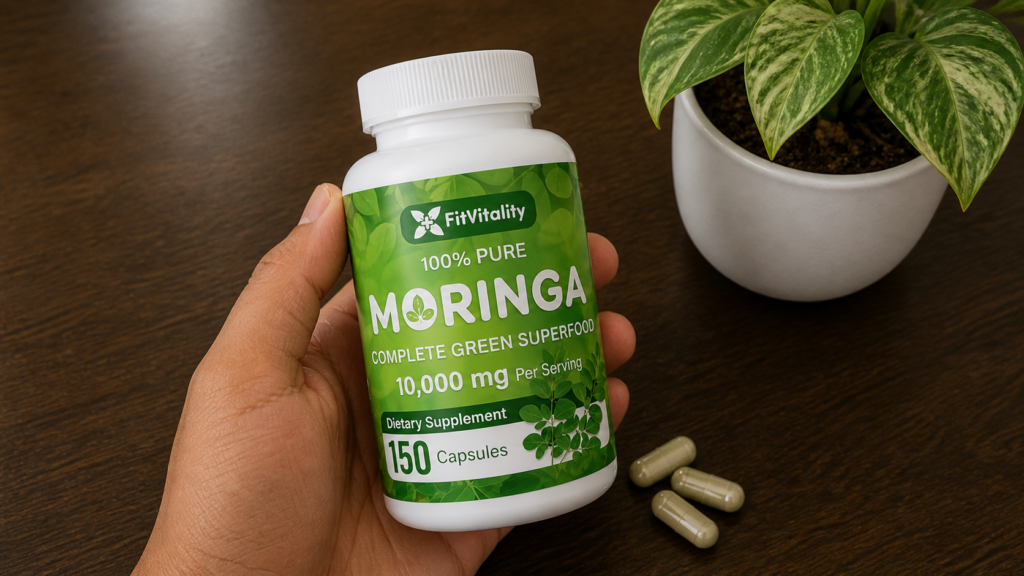
My Experience Using Moringa for 3 Months
Week 1–2 >> Initial Impressions
When I first started taking Moringa, I honestly didn’t expect much. I had tried different wellness supplements before, and most of them either overpromised or didn’t feel like they did anything at all. So I went into this with a mix of hope and hesitation.
During the first few days, everything felt pretty normal. No sudden changes, no dramatic effects. For a moment, I even wondered if it was going to be another one of those products that quietly does nothing.
But after about a week, I started noticing something subtle. My energy felt a little more steady throughout the day. Not a huge boost, but more like I wasn’t hitting those usual small lows in the afternoon. That alone made me pay more attention.
What really gave me confidence to continue was the fact that I didn’t experience anything negative. No discomfort, no weird reactions. My body seemed to adjust to it quite naturally. That made me stick with it instead of giving up early like I normally would with other things.
Week 3–4 (Early Results)
This is when things started to feel more noticeable in a quiet, gradual way.
Around the third week, I realized I was waking up feeling a bit more refreshed. I wouldn’t say it was a dramatic difference, but my mornings didn’t feel as heavy or slow anymore. I was getting out of bed a little easier, and that alone felt like progress.
Another thing I noticed was a change in my appetite patterns. I wasn’t constantly reaching for snacks or craving junk food like before. It felt like my body was starting to feel more balanced, and my eating habits naturally followed that shift.
Digestively, I also felt a bit lighter. Less bloating after meals and a more comfortable overall feeling in my stomach. These weren’t life-changing transformations yet, but they were real enough for me to notice and appreciate.
Month 2 (Visible Improvements)
By the second month, the changes became more consistent and harder to ignore.
My energy levels started to feel more stable throughout the day. I wasn’t experiencing those sudden crashes in the afternoon where I just wanted to lie down or lose focus. I felt more steady, both physically and mentally.
My digestion continued to improve as well. I felt lighter overall, and even my clothes started to fit a bit better around the waist. It wasn’t rapid weight loss or anything extreme, but more like a slow and steady shift in the right direction.
What surprised me most was the change in my mindset. I started feeling more in control of my daily habits without forcing myself. Choosing better food or sticking to a routine didn’t feel like a struggle anymore. It just felt natural.
Month 3 (Final Transformation)
By the end of the third month, the difference felt clear when I looked back at where I started.
I felt more balanced overall—physically and mentally. My energy was no longer up and down throughout the day. My digestion felt stable, and that constant feeling of heaviness I used to have was gone.
But the biggest change wasn’t just physical. It was how I felt internally. I felt more consistent, more in control, and less frustrated with my body in general. There was a sense of stability that I hadn’t experienced in a long time.
Moringa didn’t give me overnight results, but it gave me something that felt more realistic and sustainable—steady progress that actually stayed.
Side Effects That I Got
My personal experience with Moringa was very smooth overall. I didn’t face any serious or concerning side effects, which was one of my main worries before starting.
In the first few days, I did notice a very mild adjustment phase. My digestion felt slightly more active than usual, and there was a bit of increased bowel movement. It wasn’t uncomfortable or painful—just my body adapting to something new.
After about 3–4 days, that settled down completely. In fact, after that short adjustment period, I started feeling lighter and more comfortable overall.
Other than that, I didn’t experience any issues like headaches, fatigue, or discomfort. Everything felt natural and manageable, and my body adjusted without any trouble.
My Ratings Based on 5 Paramters
After using Moringa for 3 months, I evaluated it based on what actually matters in real life, not just marketing claims. Here are the 5 key parameters that truly define its performance, along with my honest ratings.
1. Effectiveness –  ☆ (4.5/5)
After using Moringa for 3 months, I noticed steady and realistic improvements rather than quick fixes. My digestion became smoother, bloating reduced, and my daily energy felt more stable. Weight changes were gradual, which actually felt healthier and easier to maintain long-term without sudden fluctuations or unrealistic expectations.
2. Safety – (5/5)
Moringa felt very gentle and safe throughout my experience. I didn’t face any harsh side effects, jitters, or energy crashes. Since it is plant-based, my body adapted easily. There was a short adjustment period in digestion during the first few days, but it settled quickly without any discomfort.
3. Value For Money – (5/5)
At first, I wasn’t fully convinced about the price, but over time it felt justified. Moringa supported multiple areas like energy, digestion, and overall balance in one supplement. That reduced the need for buying different products. The natural formulation and long-term benefits made it feel like a worthwhile investment.
4. Customer Reviews – ☆ (4/5)
Before trying Moringa, I read many user experiences, and most of them matched what I personally felt. People often mentioned gradual improvements in energy and digestion rather than instant changes. My own journey felt very similar. The reviews seemed honest and realistic, which made the product feel more trustworthy overall.
5. Overall Result – (4.5/5)
Overall, Moringa gave me steady and balanced results over 3 months. I felt more energetic, less bloated, and more in control of my habits. The changes were not extreme, but they were consistent and sustainable. It improved my daily comfort and confidence in a natural, long-lasting way.
My Detailed Personal Moringa Review
Before starting Moringa, I was honestly skeptical. I had tried so many supplements that promised energy and immunity support, but most of them gave temporary results.
What stood out about Moringa was its simplicity. No artificial stimulation, no aggressive claims—just natural nutrition.
In the first few weeks, I kept questioning whether it was actually doing anything. But I stayed consistent.
Around the second month, I noticed something subtle but powerful—I wasn’t crashing in the afternoon like before. That alone changed my productivity.
One morning, I remember waking up and realizing I didn’t feel that heavy fatigue I used to carry daily. That moment stayed with me.
Socially, I also felt a difference. Earlier, I used to feel drained in conversations after work. But slowly, I started feeling more present and active.
Another change was emotional stability. I wasn’t getting irritated easily, and my mental fog reduced.
By the third month, I stopped thinking about Moringa as a “supplement” and started seeing it as part of my lifestyle.
It didn’t fix my life overnight, but it made my daily experience smoother, calmer, and more balanced.
Pros and Cons I Experienced
| Pros ✔ Benefits | Cons ❌ Drawbacks |
|---|---|
| Natural and plant-based formula that felt gentle on the body | Slow results that take time to become noticeable |
| Improved daily energy levels with more stable focus | Requires consistency for meaningful results |
| Better digestion and reduced bloating over time | |
| Stronger immunity support during daily routine | |
| Reduced fatigue and improved overall stamina |
Why Did I Buy Moringa?
I didn’t buy Moringa immediately. I hesitated because I had already tried many supplements before.
I spent time reading Moringa reviews, watching experiences, and researching its benefits. What convinced me was not hype but repeated real-world feedback.
I also liked that it comes from a natural source with traditional usage history.
Another factor was trust. I saw that it is widely used in wellness communities and backed by nutritional science.
At the end, I decided to try it for at least three months instead of judging it too quickly.
Looking back, that decision helped me understand my body better and shift toward more natural wellness approaches.
.
How to Use Moringa for Maximum Results
Using Moringa is simple, but I quickly realized that how you use it plays a big role in the kind of results you experience. It’s not just about taking a supplement—it’s about building a small, consistent routine around it.
Dosage
The recommended dosage is very straightforward:
Take 1 scoop of Moringa powder
Mix it with a glass of water
Drink it once daily, preferably in the morning
I personally found that taking it in the morning worked best for me because it gave me a clean, light start to the day. It felt like my body was being gently “reset” instead of being overloaded.
Tips That Helped Me Get Better Results
1. Stay Consistent Every Day
This was the biggest factor for me. I made sure not to skip days, even when I was busy or not in the mood. Moringa works gradually, so consistency is what really allows the benefits to build up over time.
2. Drink Enough Water
I increased my daily water intake while using Moringa. This made a noticeable difference in digestion and bloating. I felt lighter and more refreshed when I stayed properly hydrated throughout the day.
3. Take It at the Same Time Daily
I built a habit of taking it every morning at the same time. This helped my body adjust to a routine and made it easier to stay consistent without thinking too much about it.
4. Avoid Heavy Junk Food (As Much As Possible)
I didn’t follow a strict diet, but I reduced processed and junk food. This helped Moringa work more effectively, especially when it came to digestion and energy levels.
5. Add Light Physical Activity
Even simple activities like walking made a difference. I didn’t do anything intense, but staying active helped improve energy balance and supported the overall results I was getting from Moringa.
In my experience, Moringa works best when combined with small, realistic lifestyle habits. It’s not complicated, but it does require consistency and a bit of discipline to truly see the benefits over time.
FAQ's
What is Moringa used for?
Moringa is mainly used for supporting energy levels, immunity, digestion, and overall daily wellness. Many people also take it for general nutritional support.
Does Moringa really work?
Yes, but it is not instant. Moringa works gradually by improving internal nutrition and balance, so results depend heavily on consistent use.
How long does it take to see results from Moringa?
Most users start noticing small changes in 2 to 4 weeks, while more stable benefits usually appear after 1 to 3 months of regular use.
Is Moringa safe for daily use?
Yes, Moringa is a natural plant-based supplement and is generally considered safe for daily consumption when taken in recommended amounts.
Can I take Moringa every day?
Yes, it is designed for daily long-term use. Consistency is important for better and lasting results.
Does Moringa boost immunity?
Yes, Moringa contains antioxidants and essential nutrients that help support and strengthen the immune system over time.
Are there any side effects of Moringa?
Side effects are rare. However, some people may experience mild digestive changes if taken in excess or without proper hydration.
Can Moringa replace multivitamins?
It can act as a strong natural nutritional support, but it may not fully replace targeted medical supplements or multivitamins in all cases.
Who should avoid Moringa?
Pregnant or breastfeeding women and people on specific medications should consult a healthcare professional before use.
What is the best time to take Moringa?
Most people prefer taking it in the morning, as it supports energy, focus, and metabolism throughout the day.

John Doe
This article is written by a wellness-focused reviewer who explores natural health supplements through personal experience and long-term observation. The goal is to provide honest, simple, and relatable insights without hype or exaggerated claims. With a strong interest in plant-based nutrition and holistic well-being, the author focuses on real-world usability rather than marketing promises. Each review is based on consistent usage, lifestyle impact, and practical results, helping readers make informed decisions about natural health support options in a clear and human-centered way.